
Sniffit® Transparent nasal strips

Choose your favorite Zippit product and start breathing better today.
🚚 Free shipping from €19,95 · 🎁 free nasal strips from €40,00 · free storage box from €75,00


 Free shipping from €19.9560-day moneyback guaranteeSecure checkout


Switching from mouth to nasal breathing sounds simple, but making it a lasting habit requires consistency and practical routines.
TLDR: Building nasal breathing into your daily routine takes 4-6 weeks of consistent practice. The most effective habits include morning breathing exercises, using mouth tape during sleep, setting breathing reminders throughout the day, and incorporating nasal breathing during exercise. Research shows that nasal breathing improves oxygen uptake by 10-20% and can reduce stress levels significantly when practiced consistently.
These ten practical habits will help you transition to nasal breathing naturally, without overwhelming your daily schedule.

This article was written by the Zippit team, based on feedback from 500+ users and scientific research on breathing patterns, to help you build sustainable nasal breathing habits.
Before reaching for your phone, spend two minutes checking your breathing pattern. Close your mouth gently and breathe through your nose for 10 slow cycles. This simple morning ritual sets the tone for nasal breathing throughout the day.
According to research on ventilatory efficiency, nasal breathing significantly lowers breathing frequency and improves carbon dioxide balance from the moment you start your day.
Sit upright in bed or on a chair
Breathe in through your nose for 4 counts
Breathe out through your nose for 6 counts
Repeat for 10 cycles without forcing
Key takeaway: Morning breathing practice creates awareness that carries through your entire day.
Nighttime is when mouth breathing often happens unconsciously. Using Zippit mouth tape during sleep trains your body to breathe nasally for 7-8 hours straight, making it your most powerful habit-building tool.
Among Zippit users, 73% report that consistent nighttime use makes daytime nasal breathing feel more natural within two weeks. The tape gently keeps your lips together, encouraging your body to maintain nasal breathing throughout the sleep cycle.
Clean and dry your lips before applying
Place the tape horizontally across your closed lips
Start with 3-4 nights per week, then increase gradually
Ensure your nasal passages are clear before bed
Want to learn the complete application method? Read our guide on how to use mouth tape safely for better sleep.
Most people unconsciously switch to mouth breathing during focused work or stress. Set a gentle phone reminder every hour that asks: "Am I breathing through my nose?" This simple check takes 5 seconds but reinforces the habit dozens of times daily.
After three weeks of hourly checks, most users report that nasal breathing becomes automatic. The reminder acts as a pattern interrupt, helping your brain rewire its default breathing mode.
Use a subtle vibration or visual reminder
Don't stress if you catch yourself mouth breathing
Simply close your mouth and continue nasally
Reduce frequency to every 2-3 hours after week four
Whether you walk, cycle, or take public transport, your daily commute offers 20-60 minutes of built-in practice time. Use this window to consciously breathe through your nose, even when moving at a moderate pace.
Research from studies on breathing routes demonstrates that consistent nasal breathing during daily activities significantly impacts upper airway conditioning and overall respiratory function.
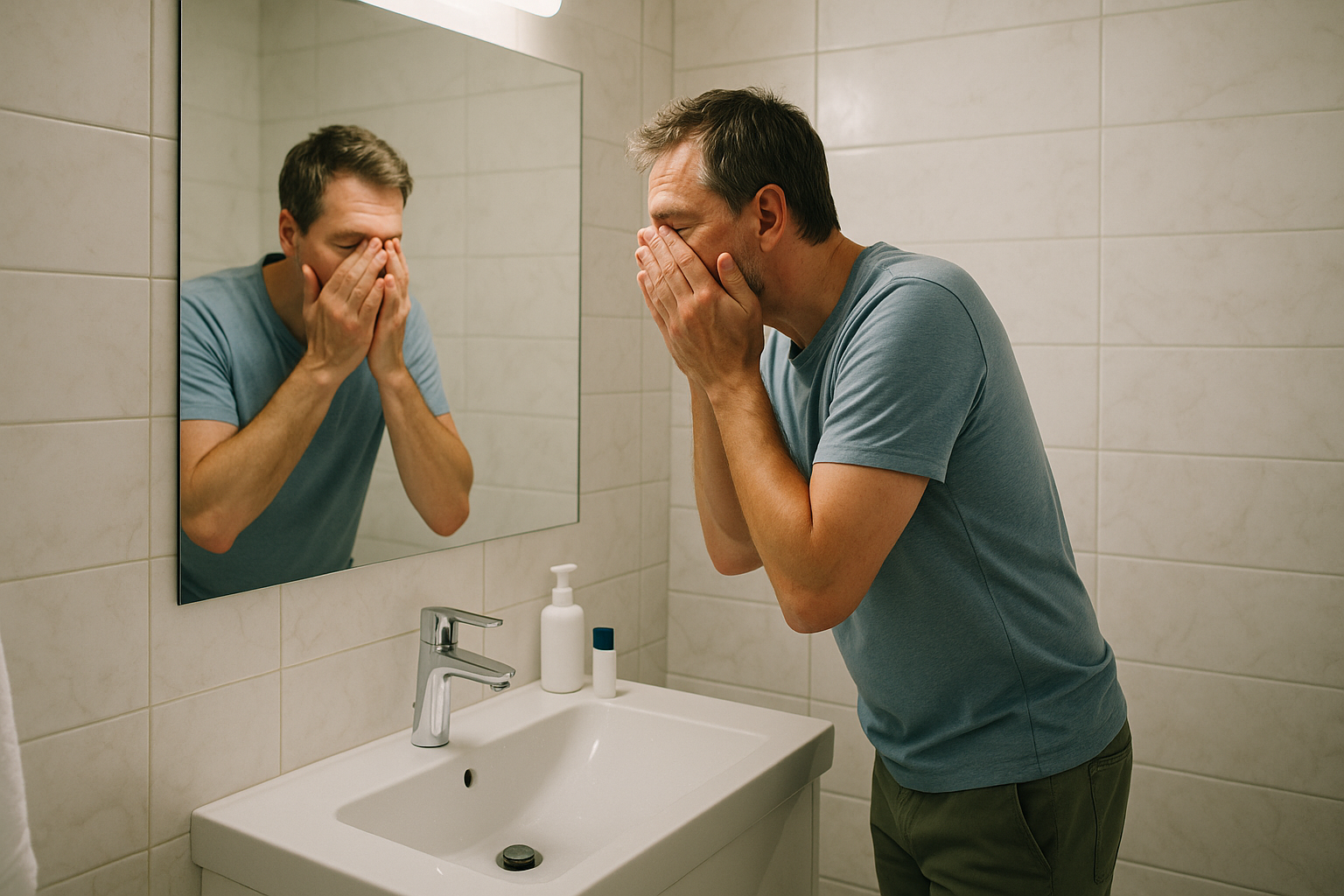
Start slowly. If you feel the urge to open your mouth during faster walking or cycling, reduce your pace slightly. Over 2-3 weeks, you'll notice you can maintain nasal breathing at higher intensities.
Begin with slow-paced commutes
Focus on rhythmic nose breathing
Gradually increase pace while maintaining nasal breathing
Use this as daily low-intensity training
The first 5-10 minutes of any workout are perfect for establishing nasal breathing. During your warmup, commit to breathing only through your nose. This primes your respiratory system and sets a foundation for better oxygen efficiency during exercise.
Athletes who train with nasal breathing report 15% better endurance after 4-6 weeks of consistent practice. The key is starting with lower intensity movements where nasal breathing feels manageable.
Use dynamic stretches with nose breathing
Keep warmup intensity at 50-60% maximum effort
Focus on steady, rhythmic nasal breaths
Gradually extend nasal breathing into main workout
For athletes looking to optimize performance, learn more about using nasal breathing to boost your athletic performance.
The 30 minutes before bed are crucial for establishing your nighttime breathing pattern. Create a ritual that includes 5 minutes of intentional nasal breathing while you prepare for sleep. This signals your body to maintain nose breathing once you're asleep.
Combine this ritual with applying collagen mouth tape as the final step. This creates a consistent evening routine that your body will recognize as the transition to sleep mode.
Dim the lights 30 minutes before bed
Sit comfortably and practice 5 minutes of nasal breathing
Complete your bedtime routine (brushing teeth, skincare)
Apply mouth tape as your final step before lying down
This ritual becomes a powerful circadian rhythm cue, helping your body recognize it's time to rest while maintaining optimal breathing.
Place small sticky notes or visual reminders in locations where you frequently forget to breathe nasally. Common spots include your computer monitor, car dashboard, bathroom mirror, and kitchen. A simple "Breathe through your nose" note works as a gentle prompt.
Visual cues work because they interrupt automatic behavior patterns. After seeing the reminder 10-15 times daily for three weeks, the habit begins to stick without external prompts.
Place reminders where you spend most time
Change locations every week to maintain effectiveness
Use simple symbols or short phrases
Remove reminders after 4-6 weeks when habit is established
Stressful moments often trigger mouth breathing automatically. Train yourself to recognize stress signals and immediately switch to slow nasal breathing. This creates a double benefit: better oxygen flow and activation of your parasympathetic nervous system.
According to research on breathing exercises, alternate nostril and controlled nasal breathing significantly improve cardiorespiratory function and reduce stress responses when practiced consistently.
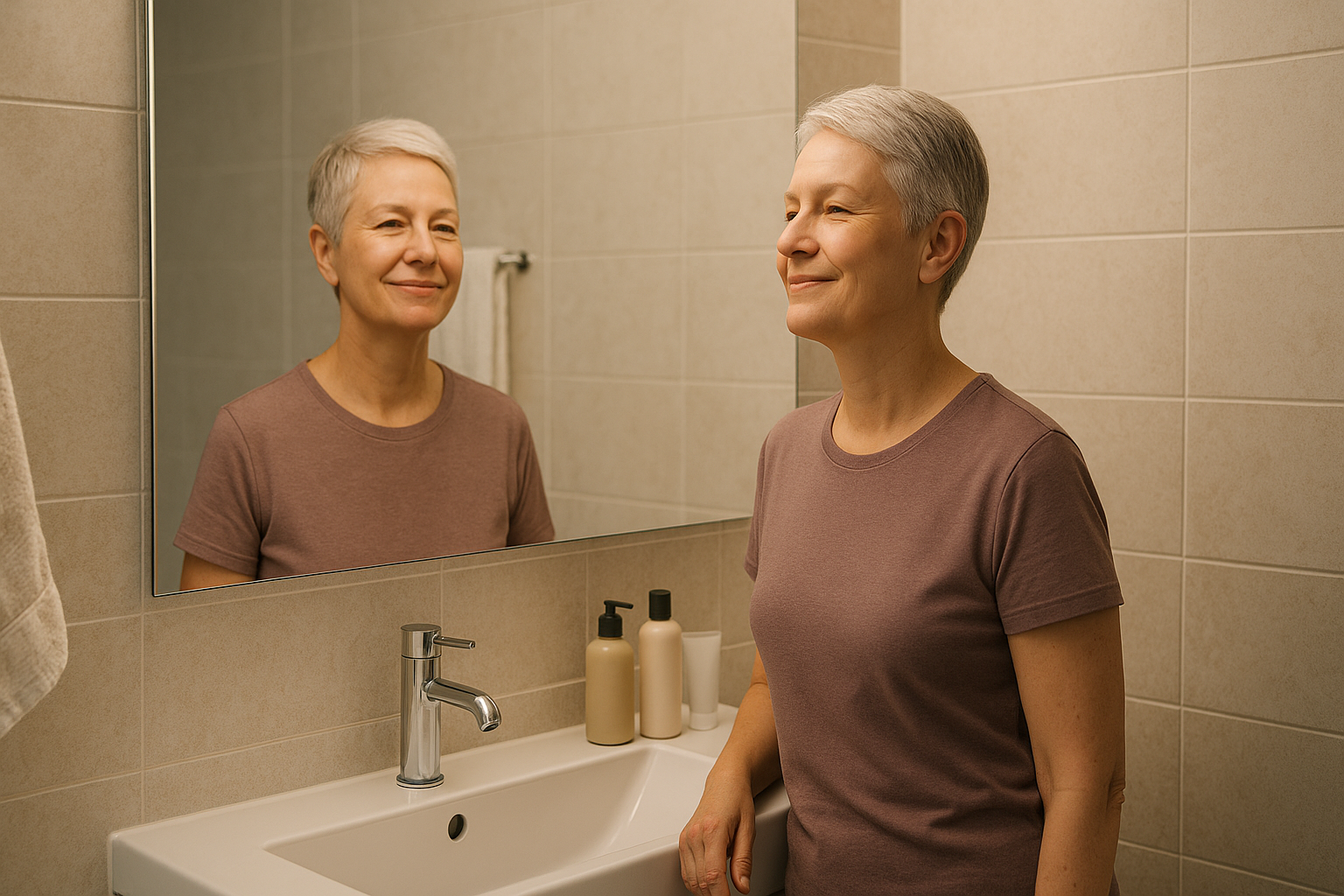
When you feel tension rising, pause and take five deliberate nasal breaths. Inhale for four counts, exhale for six. This simple pattern calms your nervous system while reinforcing your nasal breathing habit during challenging moments.
Identify your personal stress triggers
Pause immediately when you notice tension
Take 5 slow nasal breaths before reacting
Use this as both stress relief and habit reinforcement
Discover more techniques in our guide on using nasal breathing for stress relief and better focus.
Keep a basic log of your nasal breathing practice for the first 30 days. Note when you successfully maintained nasal breathing, when you caught yourself mouth breathing, and how you felt during different activities. This creates accountability and shows progress over time.
You don't need elaborate tracking. A simple note each evening asking "How often did I consciously breathe through my nose today?" rated 1-10 provides valuable feedback and motivation as your score improves week by week.
Rate your daily nasal breathing awareness (1-10)
Note which situations triggered mouth breathing
Record any improvements in sleep or energy
Review weekly to identify patterns and progress
Key takeaway: Tracking transforms abstract awareness into concrete progress you can see.
Share your nasal breathing goal with a friend, partner, or family member. Having someone who can gently remind you when they notice mouth breathing, or who joins you in the habit, increases your success rate by an estimated 60-70%.
At Zippit, we've seen that couples who both use mouth tape and practice nasal breathing together report much higher consistency. The social element turns habit-building from a solo challenge into a shared wellness journey.
Tell 2-3 people about your nasal breathing goal
Ask them to gently point out mouth breathing
Share weekly progress updates
Consider practicing together during workouts or walks
Building nasal breathing into your lifestyle doesn't happen overnight. Research and user feedback consistently show that 4-6 weeks of practice are needed before it becomes automatic. Don't try to implement all ten habits at once.
Start with three core habits in week one: morning breathing check, mouth tape at night, and hourly reminders. Add 1-2 new habits each week. By week four, you'll have a comprehensive routine that supports nasal breathing throughout your entire day and night.
Remember that setbacks are normal. If you catch yourself mouth breathing, simply close your mouth and continue with your nose. Each conscious correction strengthens the neural pathways that make nasal breathing your new default.
Ready to get started? Begin tonight with Zippit mouth tape to establish your foundation habit during sleep, then build from there with the daytime practices that fit your lifestyle best.
10 daily habits to make nasal breathing part of your routine

What is mouth tape and how does it help your partner sleep better?
Discover how mouth tape helps reduce your partner's snoring by encouraging nasal breathing, leading to peaceful nights and better sleep for both of you.

