
Zippit® mouth tape


 Checkout with



Choose your favorite Zippit product and start breathing better today.
🚚 Free shipping from €19,95 · 🎁 free nasal strips from €40,00 · free storage box from €75,00

 Free shipping from €19.9560-day moneyback guaranteeSecure checkout

Struggling with frequent colds, low energy, or feeling run down? Your breathing pattern might be the missing piece.
TLDR: Nasal breathing strengthens your immune system by filtering pathogens, regulating nitric oxide production, and optimizing oxygen uptake. Research shows it can reduce respiratory infections by up to 40% compared to mouth breathing, while improving overall wellness and energy levels through better air filtration and humidification.
Understanding how your breathing affects your immune system is key to building long-term health and resilience against illness.
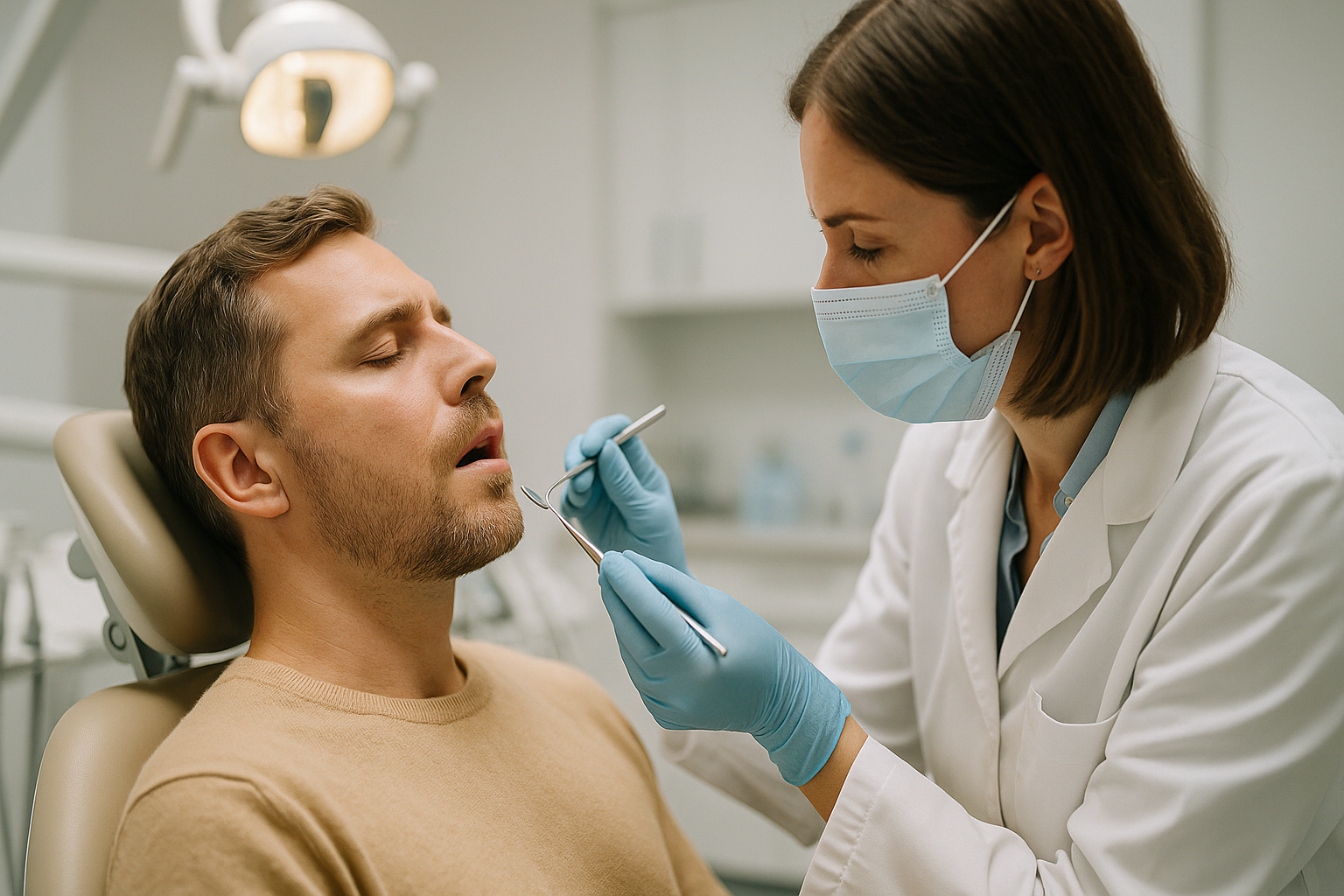
Your nose is far more than a breathing passage. It's a sophisticated filtration system designed to protect your body from harmful particles, bacteria, and viruses. According to research published in PMC, nasal breathing filters inhaled air, removes contaminants including dust and bacteria, and reduces the probability of getting colds, flu, allergic reactions, and hay fever.
Unlike mouth breathing, which allows unfiltered air directly into your respiratory system, nasal breathing warms and humidifies air before it reaches your lungs. This process is critical for immune function because cold, dry air can irritate airways and make you more susceptible to infection.
The nasal passages produce nitric oxide, a molecule with powerful antimicrobial properties. When you breathe through your nose, you increase nitric oxide levels, which helps kill bacteria and viruses before they reach your lungs.
Natural filtration: Nose hairs and mucus membranes trap up to 80% of airborne particles
Temperature regulation: Air is warmed to near body temperature, protecting delicate lung tissue
Humidity optimization: Moisture levels are increased to 98-100%, preventing respiratory dryness
Antimicrobial defense: Nitric oxide production helps neutralize pathogens on contact
Better oxygen delivery means better immune function. Your immune cells require optimal oxygen levels to function properly and fight off infections. Research from PMC studies demonstrates that nasal inspiration converts inspired air to temperatures near body temperature while increasing humidity and extracting contaminants.
When you breathe through your nose, you create better CO2 balance in your blood. This improves oxygen release to your tissues, including immune cells. Mouth breathing, by contrast, can lead to over-breathing and reduced oxygen delivery despite taking in more air volume.
Many Zippit users report feeling more energized within the first week of switching to consistent nasal breathing during sleep. This increased energy directly supports your body's ability to maintain strong immune defenses throughout the day.
Key health benefits:
Improved cellular oxygen delivery to immune cells
Better sleep quality, allowing immune system recovery and regeneration
Reduced stress on respiratory system, preserving energy for immune function
Enhanced nitric oxide production throughout the day and night

Chronic stress weakens your immune system. Nasal breathing activates your parasympathetic nervous system, the part responsible for rest and recovery. This helps lower cortisol levels, reduce inflammation, and strengthen immune response.
Studies show that nasal breathing can lower blood pressure and reduce cardiovascular stress markers. According to research published in PubMed, nasal breathing was associated with lower mean and diastolic blood pressure compared to oral breathing, with significant improvements in cardiovascular markers.
Lower stress levels mean better immune function. Your body can focus resources on fighting infections rather than managing stress hormones. This is particularly important during cold and flu season when your immune system needs all the support it can get.
Learn more about the role of nasal breathing in stress and relaxation for deeper insights into this connection.
Before you can improve your immune system through breathing, you need to understand how you currently breathe. Many people are unaware they breathe through their mouth, especially during sleep.
Morning dry mouth test: If you wake up with a dry mouth or throat, you're likely mouth breathing at night
Daytime awareness: Set reminders throughout the day to check if your mouth is open or closed
Exercise observation: Notice if you automatically open your mouth during physical activity
Partner feedback: Ask someone to observe your breathing while you sleep
For more detailed guidance, read about mouth breathing during sleep and how to recognize it.
You cannot breathe through your nose effectively if your nasal passages are blocked. Congestion is one of the primary reasons people resort to mouth breathing, which compromises immune function.
Use saline rinses: Flush your nasal passages with saline solution once or twice daily to remove mucus and allergens
Try nasal strips: Sniffit nasal strips mechanically open your nasal passages by lifting the nasal wings, increasing airflow by up to 25%
Stay hydrated: Drink at least eight glasses of water daily to keep mucus membranes moist
Reduce irritants: Minimize exposure to smoke, strong perfumes, and allergens that inflame nasal tissues
If you struggle with hay fever or seasonal allergies, discover how nasal strips offer relief during allergy season.
Key Takeaway: Clear nasal passages are essential for maintaining nasal breathing and protecting your immune system from airborne threats.

Building the nasal breathing habit during waking hours makes it easier to maintain at night. Your body needs consistent practice to make nasal breathing automatic.
Conscious breathing breaks: Take five minutes every two hours to focus on breathing only through your nose
Slow down your breath: Aim for 10-12 breaths per minute instead of the typical 15-20, breathing deeply through your nose
Practice during light exercise: Walk while keeping your mouth closed, breathing only through your nose
Use visual reminders: Place sticky notes around your workspace reminding you to check your breathing
According to research on brain activity, nasal breathing has been shown to have beneficial effects on cognitive performance, including improved reaction time and accuracy in visual object recognition, while mouth breathing has detrimental effects.
Sleep is when your immune system does its most important repair work. Maintaining nasal breathing throughout the night is critical for immune health. This is where mouth tape becomes invaluable.
Start gradually: Use Zippit mouth tape for short periods during the day to get comfortable with the sensation
Apply correctly: Clean and dry your lips, then apply the tape horizontally across your mouth from left to right
Ensure clear nasal passages: Use nasal strips if needed to guarantee you can breathe comfortably through your nose all night
Track your progress: Note improvements in morning energy, reduced congestion, and fewer illness episodes
Within two to three weeks, most people notice significant improvements in morning wellness, reduced throat irritation, and fewer colds. Your immune system benefits from eight hours of filtered, humidified breathing every night.
For comprehensive guidance, explore our article on nasal breathing as the key to better health and enhanced performance.
Your immune system doesn't work in isolation. It's interconnected with your cardiovascular, nervous, and respiratory systems. Nasal breathing optimizes all these systems simultaneously, creating a foundation for robust health.
Better sleep quality from nasal breathing means your body produces more immune cells during deep sleep stages. Lower stress levels mean less inflammation throughout your body. Improved oxygen delivery means your cells function more efficiently.
The cumulative effect is a stronger, more resilient immune system that can handle seasonal threats, recover faster from illness, and maintain higher baseline wellness levels.
Reduced inflammation: Lower cortisol and stress hormones decrease chronic inflammation
Better lymphatic drainage: Proper breathing supports lymph flow, essential for immune cell transport
Enhanced gut health: Reduced stress improves digestion, where 70% of immune cells reside
Hormonal balance: Better sleep regulates hormones that control immune response
Understanding nasal breathing and its impact on your health and wellbeing provides a complete picture of these interconnected benefits.
Consistency is key for immune system benefits. Here are practical strategies to maintain nasal breathing through all seasons and situations.
During cold and flu season: Use nasal strips at the first sign of congestion to prevent reverting to mouth breathing. Keep nasal passages clear with regular saline rinses. Consider using collagen mouth tape for added skin benefits during dry winter months.
During allergy season: Combine antihistamines with mechanical airway opening using nasal strips. This allows you to maintain nasal breathing even when inflammation occurs.
During exercise: Start with light activity while maintaining nasal breathing. Gradually increase intensity while keeping your mouth closed. This trains your body to utilize oxygen more efficiently.
During travel: Airplane cabins are particularly dry and full of recirculated air. Use mouth tape during flights to maintain nasal filtration and humidification, protecting yourself from airborne pathogens.
Key Takeaway: Making nasal breathing a consistent habit across all activities maximizes immune system protection and overall health benefits.
The transition to consistent nasal breathing typically follows a predictable timeline. Understanding what to expect helps you stay motivated through the adjustment period.
Week 1-2: You may experience increased awareness of nasal congestion. This is normal as your body adjusts. Morning energy often improves within the first week. Many people notice reduced snoring and better sleep quality immediately.
Week 3-4: Nasal passages adapt and become clearer. Breathing feels more natural and effortless. You'll likely notice fewer morning symptoms like dry mouth, sore throat, or congestion.
Month 2-3: Immune benefits become apparent. You may notice you don't catch colds as easily as before. Energy levels stabilize at a higher baseline. Sleep quality continues to improve.
Long-term benefits: After three months of consistent nasal breathing, most people report significantly fewer respiratory infections, better overall health, improved energy throughout the day, and enhanced physical performance.
Ready to strengthen your immune system through better breathing? Start tonight with Zippit mouth tape to maintain nasal breathing during sleep, or use Sniffit nasal strips to open your airways for easier nasal breathing. Small changes in how you breathe create lasting improvements in your health and immunity.
How to improve your health and immunity through nasal breathing

How to use nasal strips for better breathing: a step-by-step guide
Learn exactly how to apply nasal strips correctly for maximum breathing benefits during sleep, exercise, and congestion relief with this complete step-by-step guide.
How to use nasal strips for better breathing: a step-by-step guide
Learn exactly how to apply nasal strips correctly for maximum breathing benefits during sleep, exercise, and congestion relief with this complete step-by-step guide.

